Expert Guide to Foggy Window Repair: Causes and Solutions for DFW Homes
@ycutq0assg
October 6, 2026 · 7 min read
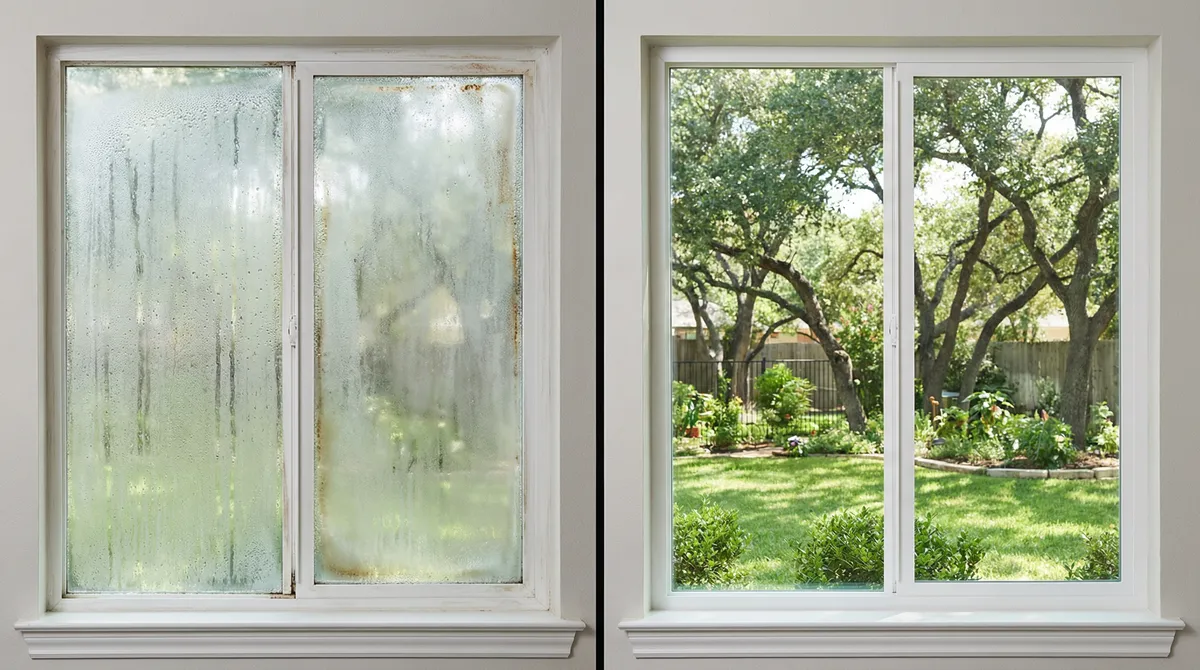
If you live in the Dallas-Fort Worth area and have noticed a cloudy, milky haze between the panes of your double-pane windows, you are not alone. Foggy windows are one of the most common complaints homeowners face, especially in regions with wide temperature swings like North Texas. That fog is not just an eyesore. It signals a deeper problem with the window's sealed construction, and ignoring it can lead to higher energy bills and more extensive damage over time. Understanding what causes this issue, when to attempt a fix, and when to call for professional help can save you money and keep your home comfortable.
What Actually Makes a Window Foggy?
Modern double-pane windows are built as sealed units. Two or more panes of glass are spaced apart and sealed around the edges to create an insulating air gap. That gap is often filled with an inert gas like Argon gas or Krypton to improve thermal performance. The whole assembly is called an insulated glass unit. When the seal around the edges fails, moisture from the outside air seeps into that gap. As temperatures change, that moisture condenses on the cooler glass surface, creating the fog or haze you see. In severe cases, you might also notice water pooling at the bottom of the window or a white, chalky residue left behind as the water evaporates and minerals are deposited.
This glass seal failure is the root cause of almost every foggy window. The sealant that bonds the glass to the spacer bar degrades over time due to thermal stress, UV exposure, and simple age. Once the seal is broken, the desiccant inside the spacer, a material that absorbs moisture, becomes saturated and can no longer keep the air dry. After that point, the fogging is inevitable.
Why Foggy Windows Are More Than an Annoyance
Beyond ruining your view, a foggy window means your insulated glass unit has lost its insulating ability. The gas fill that provided the thermal break has escaped, replaced by humid air. That change alone can reduce the window's R-value by half or more. You will feel drafts near the window in winter, and your HVAC system will work harder to maintain a steady temperature. Over a full cooling season in Texas, that extra load adds up on your electric bill.

Moisture infiltration also threatens the window frame and surrounding wall. If the condensation inside the unit is severe, it can eventually leak into the sash or sill, promoting mold growth or wood rot. For commercial glass installations, foggy windows can damage a building's professional appearance and reduce natural light transmission, making interiors feel darker and less inviting.
Can You Fix Foggy Windows Yourself?
There are a few DIY approaches, but they come with serious trade-offs. A window defogging kit typically involves drilling small holes in the glass, flushing the interior with a cleaning solution, and installing vents to allow moisture to escape. Some kits claim to restore clarity by using ultrasonic cleaning to break up mineral deposits inside the unit. In theory, these methods can remove the fog temporarily. In practice, they rarely restore the window to its original performance.
The problem is that once the seal is broken, you cannot reliably reseal it in the field. Even if you clear the fog, the desiccant is already saturated, and the gas fill is gone. The window will likely fog again within a few months, especially during the humidity swings of a DFW spring or fall. More importantly, drilling into the glass can create stress points that lead to cracks, particularly if the glass is tempered glass, which is designed to shatter under certain types of impact. A cracked window is far more expensive to fix than a foggy one.
For these reasons, most professionals recommend glass replacement over repair when the seal has failed. Replacing just the insulated glass unit, rather than the entire window frame, is often the most cost-effective solution. A skilled technician can remove the old unit, measure the spacer width and glass thickness, and install a new unit with fresh desiccant, a proper gas fill, and a durable weather seal. The result is a window that performs like new, often with a window warranty that covers seal failure for years.
When Foggy Window Repair Makes Sense
Despite the limitations of DIY methods, there are situations where foggy window repair is a viable option. For historic homes with custom window sizes or unusual glass shapes, finding a replacement insulated glass unit can be difficult or prohibitively expensive. In those cases, condensation removal using a professional defogging service may be the only practical path. Some companies specialize in this work, using industrial-grade cleaning solutions and vacuum-sealing techniques to restore clarity. Even then, you should weigh the cost against the expected lifespan of the repair. A good rule of thumb is that if the repair costs more than half the price of a new unit, replacement is the smarter investment.
Another scenario where repair might be appropriate is when only one pane in a multi-pane window is foggy, and the rest are in good condition. If the window frame itself is structurally sound and the other sealed units are still performing well, repairing just the faulty unit can be more practical than replacing the entire assembly. A professional can assess whether the adjacent seals are likely to fail soon and advise you accordingly.
Preventing Foggy Windows in the Future
The best way to avoid foggy windows is to prevent seal failure in the first place. Quality matters more than most homeowners realize. Insulated glass units from reputable manufacturers use durable sealants and high-quality desiccant. They also incorporate design features that reduce thermal stress, such as proper edge clearance and spacer materials that expand and contract at rates similar to the glass. Low-E coating, which reflects infrared heat, can also help by keeping the inner pane closer to room temperature, reducing the temperature differential that drives condensation.
Regular maintenance of the window frame and weather seal is equally important. If the exterior caulking around the frame cracks or pulls away, water can pool against the edge of the glass and accelerate seal degradation. Inspecting these seals once a year, especially after a hard freeze or a hailstorm, can catch problems early. For homeowners in DFW, where summer heat and winter cold fronts create constant thermal cycling, this is particularly important.
Finally, consider the orientation of your windows. South- and west-facing windows endure the most direct sun and the highest thermal stress. If you have older windows in those exposures that are still clear, they may be approaching the end of their service life. A proactive approach is to budget for whole-home window replacement before multiple units fail at once. Many companies offer a free estimate for such projects, and financing options can spread the cost over time.
Professional Assessment: The Smart First Step
If you are unsure whether your foggy windows can be repaired or need replacement, the best move is to have a professional inspect them. A qualified technician can determine the type of glass, the condition of the seal, and the extent of moisture infiltration. They can also test for gas fill loss using a spectrometer, which gives a clear picture of the unit's remaining insulation value. For commercial glass applications, this assessment is especially important because building codes often require specific performance standards.
When you call for a consultation, ask about the warranty on any repair or replacement work. A reputable company will stand behind its products and offer at least a five-year warranty on insulated glass units. For foggy window repair services, the warranty period may be shorter, but it should still cover re-fogging within a reasonable timeframe. Be wary of any contractor who offers a quick fix without discussing the long-term trade-offs.

In the end, foggy window repair is a nuanced topic. While DIY kits exist and can work in very limited cases, most homeowners are better served by professional glass replacement. The upfront cost is higher, but the result is a window that performs correctly for years. For those with unique windows or budget constraints, a professional defogging service can provide a reasonable stopgap. Either way, addressing the problem promptly will save you from higher energy costs and potential damage to your home.
If you are in the DFW area and dealing with foggy windows, take the time to get a professional opinion. A free estimate from a trusted window specialist can help you make an informed decision that balances cost, performance, and longevity. Your home will thank you, and so will your utility bill.